
What is Shradh?
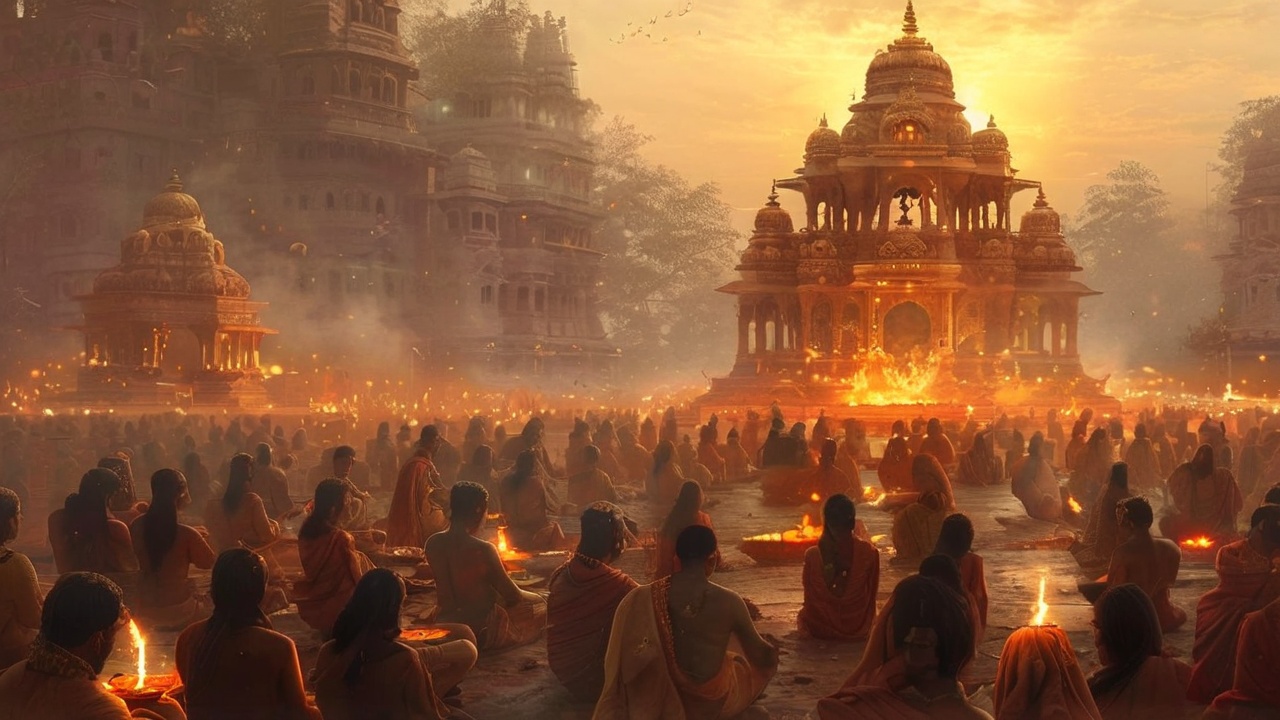
Shradh is derived from the word Shraddha means devotion. Shardh is a ritual for Hindus where they pay homage to their ancestors for their peace afterlife. As per the Garud Puran, our last three generations of our family impact us and lies in our body by way of genes, habits, physical appearance, entangled Karmas and what not. Even after dedicating our entire life, we can’t pay off the debt of our ancestors. So Shradh is performed for the entire community of Pitr belongs to our current and previous births to ensure our spiritual growth and mental stability. The deceased person who has been left the material world for more than a year has been considered as Pitr.
It is the Hindu ritual comes after Krishna Janamashatami, Ganesh Chaturthi, Nag Panchami and ends the day before Navratri.
Meaning of Shradh/ Pitru Paksha
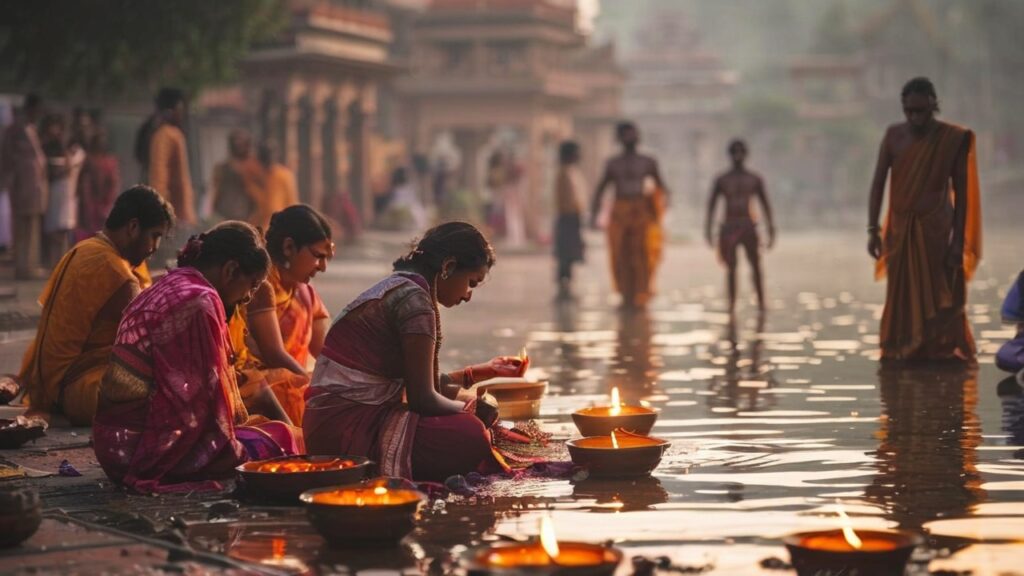
These 16 days period of Pitra Paksh starts on the Pratipada tithi of Krishna Paksha in the month of Bhadrapada ends on Mahalaya Amavasya also called Sarva Pitru Amavasya. It is believed that the Yamraj; the god of death release departed souls from Pitrulok and they descend to the Earth to satiate from the Tarpan’ given by their families. Families feed Brahmins, put food outside for animals like cows, dogs and crows. Crow is the indicator of our forefathers; cow is considered sacred and dog is considered as the messenger of Dharmraj (Yamraj). The scriptures inform us about the 96 Shraddh Karmas which needs discipline to adhere.
Importance and Benefits of Performing Shradh
Every ritual shares divergent interpretation.
As per the Shloka mentioned in “Smrutichandrika”
Ayuh Putran Yashha Swargam Kirtim Pushtim Balam Shreeyam |
Pashun Sukhyam Dhanam Dhaanyam Prapanuyaat Pitrapujnaath||
Means, whosoever worship the Pitras by performing Shradh on the designated tithis (Hindu dates) will get the benefit of longevity, a male child, success, fame, heaven, strength, riches, animals, happiness, wealth and ample food grains supply.
In a crux, whether it is good or bad we’re carrying the accumulative baggage of all our ancestors that further makes our duty to perform Shradh rituals which holds significant and cultural importance in Hinduism for:
- Honoring Ancestors by ensuring they are remembered and revered by their living family members.
- Seek Blessings of them which help us in leading onto spiritual growth and protection for the living family members.
- Peace for the departed souls after the physical life.
- Family Harmony Satiated departed souls brings harmony among family members
- Cleansing Karma because any negative karma related to the ancestors can create blockage in the living members of the lineage.
- Spiritual Connection Those who perform Shradh for their ancestors with full devotion, it doesn’t only benefit their entire family but also opens up the spiritual path for their own wellbeing.
How many lokas of existence are there?
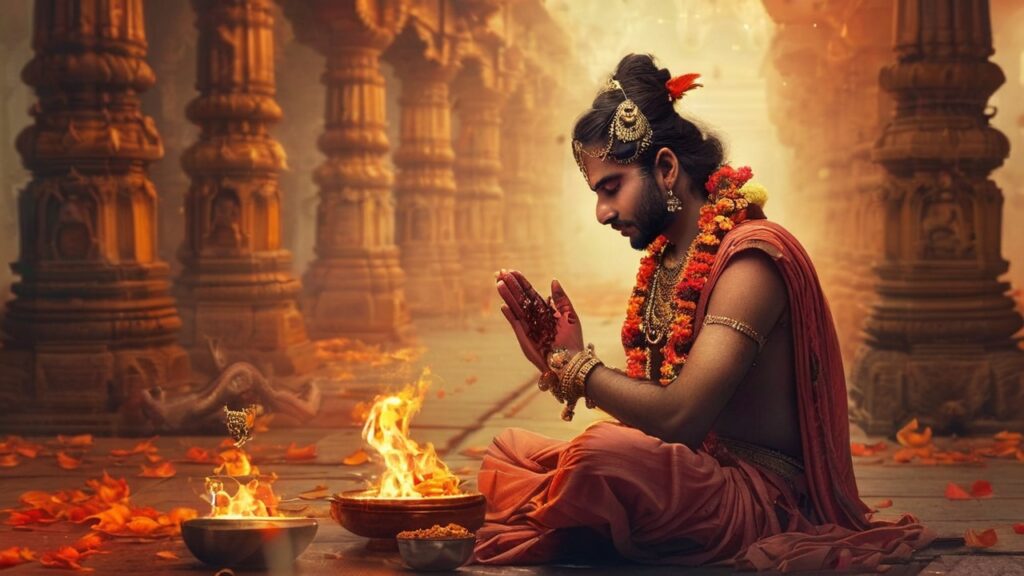
As per the Karmas or actions done by the deceased souls in their last birth, they are allocated to Baikunth, Swarg (heaven), Narak (hell) or a new body. But for those, decisions remain pending they tends to stay in Pitru Loka (a realm between Earth and Heaven) and wait for their liberation or transcendence to the upper realm.
Types of Shradh
Majorly there are 12 types of Shradh and fundamentally there are three prime ones Nitya, Naimittik and Kamya. Out of these, there are 96 other types of Shradh occasions which includes:
12 Amavasya (New Moon Day of every month), 4 Yugas (Hindu Eras), 14 Manvantars (1 Manvantar = age of Manu/ father of mankind), 12 Sankrants (movement of Sun from 1 zodiac sign to another every month), 12 Vaidhruti (particular position of Sun and Moon), 12 Vyatipat (period of calamity), 15 Mahalayas (Maha= Great, Alaya = abode), 5 Pahili, 5 Ashtak (Eighth day) , 5 Anvashtake (next day of Ashtak).
Hindu calendar Tithis (dates) are different from English calendar that’s why it needs to be checked for the particular tithis for the deceased person’s ritual.
Prevalent Shradh types
All Shradhs have different significance and days involved:
- Nitya Shradh (Daily) This is a routine practice performed daily by some Hindus to honor their ancestors and seek their blessings. This Shradh is often done at home by simply offering tarpan (water using black sesame seeds) and prayers to the departed souls.
- Naimittik Shradh (Occasional) Unlike Nitya, Naimittik rituals are performed on certain occasions such as after significant life events like a wedding, the birth of a child, or the death of a family member.
- Kamya Shradh (for a specific desire) This is performed with a specific desire or to fulfill any wish such as progeny, prosperity or peace of mind. Different days are marked to achieve respective fruitful results. Like Monday for good fortune; Tuesday for Victory; Wednesday for fulfillment of desire; Thursday for obtaining knowledge; Friday for acquiring wealth; Saturday for long life; Sunday for Health.
- Nandi Shradh (mentioned in Yamasmruti) It is also known as Naandi or Nandhi which means pleasing. This Shradh is performed before marriage by the groom’s and bride’s family in Southern India. In this, practice dead ancestors are invoked and pleased by offering them food and other material in sought of their blessings before any auspicious ceremony. Karmanga Shradh and Vriddhi Shradh are both Nandi Shradh.
- Bhishmashtami (dedicated to Bhishma of Mahabharata) This Shradh is mainly for childless couples. Unfortunately, if any couple is not able to conceive or the wife has frequent abortions then for the wellbeing of the fetus, they can give tarpan of Bhishmacharya on Bhishmashtami which falls on Magha Shukla 8 i.e. eighth day of the bright fortnight (Shukla Paksh) of the Hindu calendar month Magha.
- Sapindikarana Shradh (for the union of the departed) This is a significant Shradh which includes in the post death rituals, performed on the 12th day after a person’s death. This ensures the soul’s integration with the ancestors (Pitri) and is accompanied by feeding Brahmins.
- Ekoddishtha Shradh (Individual Shradh) Eka in Sanskrit means numeric digit ‘One’ and Uddistha means ‘Particularised’, also known a Tripindi Shradh is performed every year on the Hindu death Anniversary as an annual Shradh.
- Vriddhi Shradh (for prosperity) Vriddhi Shradh is one of the Nandi Shradh which is performed after the birth of a child.
- Pushtayee Shradh (for strengthening lineage) This ritual emphasizes the continuity of the family and its prosperity. The purpose is to strengthen the lineage and ensure the well-being of future generations.
- Karmanga Shradh (conception) This is performed during the Sanskar of garbhadhan.
- Parvana Shradh (mentioned in Yamasmruti) Three variations of Parvana are Ekaparvana (Single parvana), dwiparvana (Two times parvana), triparvana (Three times parvana). This Shradh is done on occasions like Pitru Paksh and Bhadrapad Purnima. –Mahalaya Shradh – Mahalaya is the significant time period in the Hindu tradition which usually falls in the month of Ashwin (September-October).
These 16 days period starts from the first day of dark fortnight of Bhadrapad till new moon day and is observed with specific rituals including Tarpan, Pind Daan (offering rice balls), Recitation of scriptures.
-Matamaha Shradh- The term ‘Matamaha’ refers to maternal grandfather, so this Shradh ceremony is performed to honor the maternal ancestors specifically maternal grandfather. This Shradh can only be done after annual Shradh of ones’s grandfather and only on Ashwin Shukl Pratipada.
-Tirth Shradh (Pilgrimage)- As the name suggests this Shradh performed at holy places like Prayag, Gaya or at the banks of the sacred river.
What is Pind Daan?
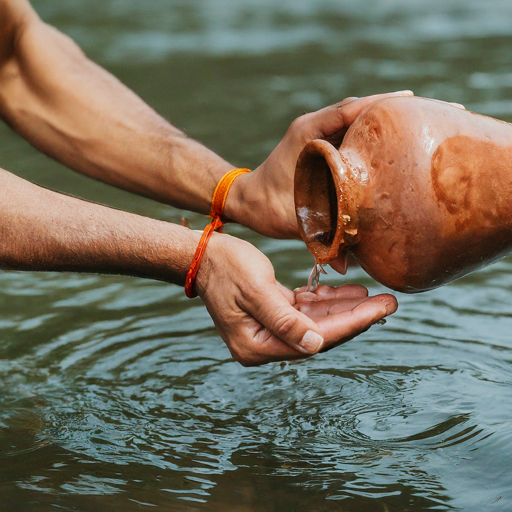
Pind Daan is an essential part of the Shradh ritual where offerings called Pindas are made of rice balls and sesame seeds to satiate one’s ancestors and express reverence towards them. There are different types of Pinda Daan:
Vrihad Pind Daan (for all ancestors collectively), Tripindi Pind Daan, Asthi Pind Daan (post cremation), Tirtha Pind Daan, Sankalpa Pind Daan (with a specific intention), Gaya Pind Daan and Varshik Pind Daan (Annual Pind Daan) etc.
List of well-known places in Gaya for Pind Daan
People visits Hindu pilgrimage to perform Shradh ceremonies like Haridwar, Gokarna, Gaya, Badrinath, Triambakeshwar (Nashik), Kurukshetra etc.
As Gaya is one of the famous place for Pitru Dosh Pooja, below is the list of the name of places in Gaya for Pind Daan.
- Falgu river
- Gaytri Ghat, VishnuPad Temple
- Pitamaheswar
- Brahmakund
- Pretseela
- Ramsheela
- Sita Kund, VishnuPad Temple
- Suryakund
- Brahma pad, VishnuPad Temple
- Surya pad, VishnuPad Temple
- Sharswati Vedi
- Bodhitaru, Bodhgaya
- Dharmarnaya, Bodhgaya
- Indra pad, VishnuPad Temple
- Brahma Sarowar
- Ganesh pad, VishnuPad Temple
Points to consider
Shradh can be done by the elder Son, grandson or anyone in the 7 generations but points need to be remembered are:
Do’s -Besides doing Tarpan, Pind Daan, feeding priests as Brahmin Bhoj and animals as the part of rituals; an individual needs to ensure to do the charities and donations. Providing food, clothing and helping needy brings comfort to the deceased.
Maintain purity and holiness throughout the period. Do rituals with pure feelings and true intentions.
Don’ts – Avoid any auspicious activities and celebrations or to start any new venture or to buy new products because this period is entirely dedicated to our ancestors.
Avoid consuming non-veg food, alcohol or anything falls under Tamasik dosh category.
Try to remain as Satvik as possible for your upliftment so stay away from anger, conflicts or anything egoistic. Be mindful.